
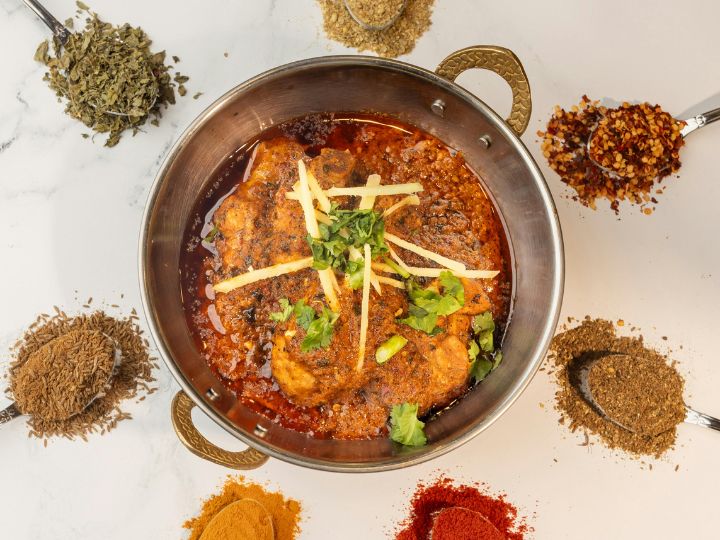
There’s something unforgettable about the scent of spices wafting from a simmering curry, the kind of smell that nudges a memory, invites a craving or brings instant comfort. At Asees Indian Restaurant, cooking traditional Indian food isn’t just about taste; it’s about heritage, identity and balance. And the real magic behind our secrets? It lies in the clever use of spices.
This blog opens the lid on how to approach spices not just as ingredients, but as soulful storytellers in every dish we serve.
Why Spices Matter in Indian Cuisine
Indian cuisine didn’t become the world’s most flavourful by accident. From the kitchens of the north to the coastal delights of south India, spices have been central to everyday cooking. They go beyond heat or colour, they balance and deepen every bite of traditional Indian food.
But the key lies in using them skilfully. Here, it is important to use spices as the necessity to elevate your culinary art. Chefs at our Asees Indian restaurant Wollongong reveal their versatility and significance.
How Spices Vary Across India
Within our Asees Indian Restaurant menu lies the treasure map of India on a plate. The regional spices reflect distinct flavours from one another, like:
- North India: Think masala blends, bay leaves, cloves and cinnamon. Perfectly expressed in our Butter Chicken, Dal Makhani, or Paneer Butter Masala.
- South India: Mustard seeds, curry leaves, black pepper, coconut milk dominate southern India. You’ll taste this in our Malabar Prawn Curry and Chicken Chettinad.
- West India: Tamarind, dried mango powder (amchur), fennel give you some really sharp, zesty and tangy coastal flavours.
- East India: Mustard oil, panch phoron (five-spice blend), poppy seeds bring in the bold notes.
Each dish at our Indian restaurant Wollongong respects the native prominence. That’s what makes our traditional Indian food feel so familiar yet exotic.
The Core Spices of Traditional Indian Food
These are the building blocks of Indian cuisine. They make ordinary extraordinary with just a pinch:
- Cumin Seeds (Jeera): Once toasted in oil, they release a nutty fragrance that grounds curries, dals, and rice.
- Mustard Seeds (Rai): When they pop in hot oil, expect lively dishes with a warm, crackling pungency.
- Turmeric (Haldi): Earthy and vibrant, it adds both colour and a subtle bitterness that supports deeper flavours.
- Coriander Powder (Dhania): Brings a citrusy freshness that lightens heavier ingredients like meat and legumes.
- Cardamom (Elaichi): Fragrant and floral, green cardamom softens sauces, while black cardamom offers depth.
Each of them has a role that only an expert chef can master. What you’re rewarded with is a deeply satisfying traditional Indian food that’s distinct.
It’s All in the Timing
What truly separates a home-cooked curry from a masterful dish is when you add your spices:
- Whole spices first – They’re bloomed in hot oil or ghee to unlock their aromatic oils.
- Ground spices next – Added once the onions are softened, allowing the base to absorb them fully.
- Delicate spices last – Saffron, fenugreek leaves or garam masala are stirred in gently before serving to maintain their essence.
Follow these time-tested steps, and you’ll preserve the integrity of every dish from rich Indian cuisine.
Learn the Spicy Secrets from Asees Indian Restaurant
If you’d like to bring traditional Indian food into your kitchen, start with these simple tips:
- Keep it small – Don’t overwhelm your dish. Use no more than 4-5 spices per dish to give that distinctness.
- Dry roast for deeper flavours – Spices like cumin or coriander add more complexity with a quick pan roast.
- Store spices well – Airtight jars in cool places will preserve potency for longer.
- Use whole when you can – Especially in rice or meat dishes for a fuller aroma.
- Hand ground them – Because what better way to taste the realness without going all traditional?
Our chefs at Asees Indian restaurant Wollongong often say, “Spices shouldn’t dominate. They should whisper a story of blending unique richness.”
Popular Indian Dishes and Their Signature Spice Notes
Here’s a peek into what gives our traditional Indian food their unmistakable taste:
- Dal Tadka – Tempered with cumin, red chillies and garlic in pure desi ghee (clarified Indian butter) for that signature aroma.
- Chicken Chettinad – Roasted black pepper, curry leaves and dried chillies make this a bold southern lip-smacking dish!
- Methi Malai Chicken – Fenugreek leaves bring a faintly bitter, earthy undertone that offsets the creaminess.
- Kebabs – Our house-made tandoori masala includes paprika, ginger, garlic, cumin and other magical secrets.
- Biryani Variants – Cardamom, cloves, cinnamon, and star anise bloom through layers of long-grain rice.
At Asees Indian restaurant Wollongong, traditional Indian dishes have foodies lined up. But even Indian desserts thrive on subtle spices.
- Gulab Jamun – The luscious syrup it swims in is often flavoured with rosewater and cardamom for that unforgettable elegance.
This versatility and mastery crowns us as a hotspot for new and loyal foodies alike.
You’re Invited to Experience the Secrets of Indian Cuisine
Indian spices aren’t just flavour, they’re marvels of culture and science. A pinch of one balances another and everything just… blends together. That’s the art our chefs at Asees Indian restaurant Wollongong have mastered.
There’s traditional Indian food and then there’s Asees Indian Restaurant Wollongong. Both inseparable in their authenticity, premium taste and rich variety to satisfy your soul. This is why we proudly represent authentic, soulful and traditional Indian food.
Curious about spices? Craving something comforting, or eager to experience Indian cuisine the way it’s meant to be? Come, visit us at 52/54 Crown St. Here lies not just another Indian restaurant Wollongong houses, but a treasure trove where spices do the talking and every bite lingers after a scrumptious meal
Let us connect over scrumptious moments, one dish at a time.
Book your table and embark on an unforgettable, delicious journey with us.